Cremation

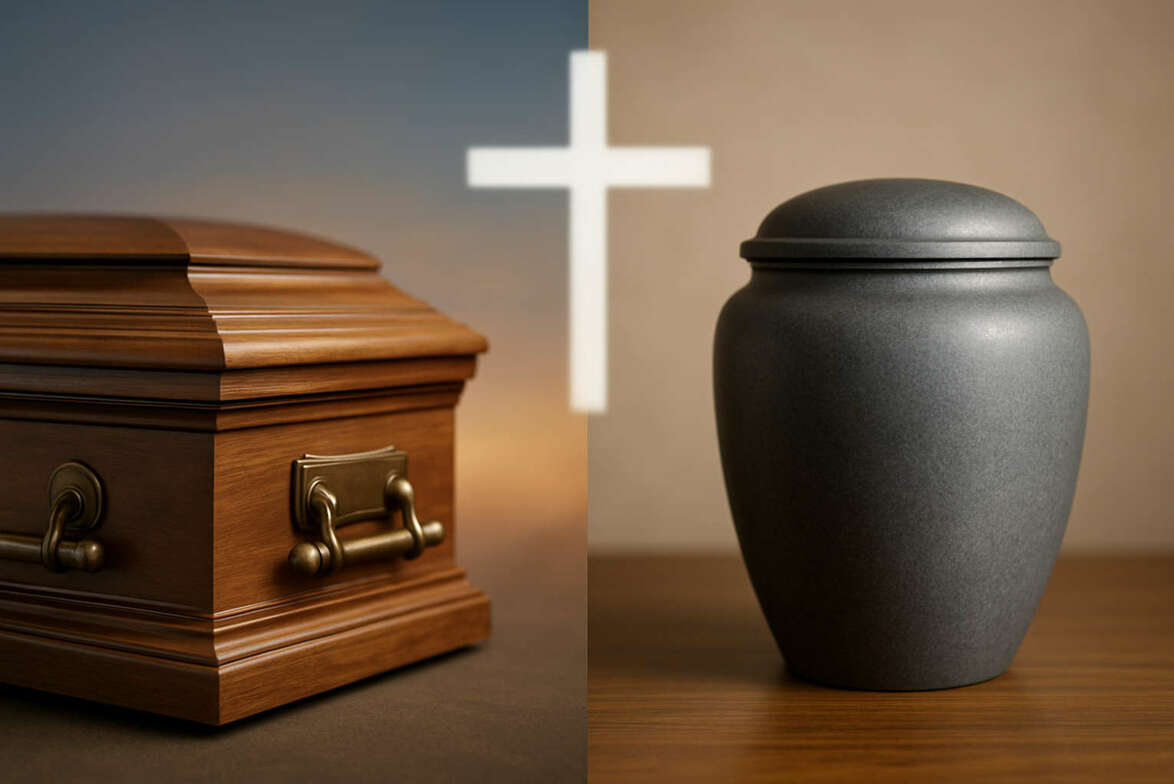
Is it wrong to be cremated?
2 Corinthians 5:1-2
1 For we know that if the earthly tent we live in is destroyed, we have a building from God, an eternal house in heaven, not built by human hands. 2 Meanwhile we groan, longing to be clothed instead with our heavenly dwelling…
Cremation can be a difficult topic sometimes. In Scripture, the Hebrew people were not seen to have practiced cremation on a regular basis, although it did happen occasionally (1 Samuel 31:12). Greeks and Romans practiced it, but burial was the more common practice among Israelites (Genesis 23:19, 2 Chronicles 16:14), as well as Christians (Mark 15:46; Luke 9:59). However, archeology tells us that the Hebrews did begin to practice cremation more regularly later on.
I have not been able to find a place in the Bible that directly tells Christians that they have to be buried in the ground. In turn, there is also no statement that would forbid Christians to cremate. Devoted and honorable Christians have decided to be cremated, or buried. It is not any more Biblical to do one than the other.
Some believe that if there is no body, God cannot resurrect the body at the final resurrection of the dead. The only way to ensure that is for us to allow the body to remain. If there is a body, God can then resurrect it in the end. However, when a body is buried in the ground, it returns to dust anyway, so that argument doesn't make sense. Plus, if God is capable of creating the universe, and humans, from nothing, He can certainly do it after cremation.
According to the Billy Graham Evangelistic Association,
“Christians will want to show respect for the body. Even though the essential person or spirit has moved on to an eternal destiny, the body is the tangible reminder of all that person meant to us. In addition, the body is destined for resurrection, transformation, and reunion with the spirit at Christ’s return.
Whether burial or cremation best expresses that appropriate respect is a very personal decision. The wishes of other close family members and friends should also be considered in any decision, because they are the ones who will live with the decision and with the memories.”
In the end, we must remember that the way we respect or honor our loved ones is not as important as the spiritual truth beyond it. The body is just a tent, a temporary dwelling place for the inner man (2 Corinthians 5:4). There is an eternal home for everyone and Jesus is the bottom line. Let’s seek Jesus and pray for wisdom so we can know the best way to remember and respect our own loved ones after their passing.
Proverbs 2:6
For the Lord gives wisdom; from his mouth come knowledge and understanding.